Goa Beach Areas: Which One Is Right for Your Trip
Compare the best Goa beaches to stay near — Anjuna, Vagator, Morjim, Palolem, Agonda — by vibe, price, food, and who each one actually suits.
April 28, 2026 · 8 min read · India
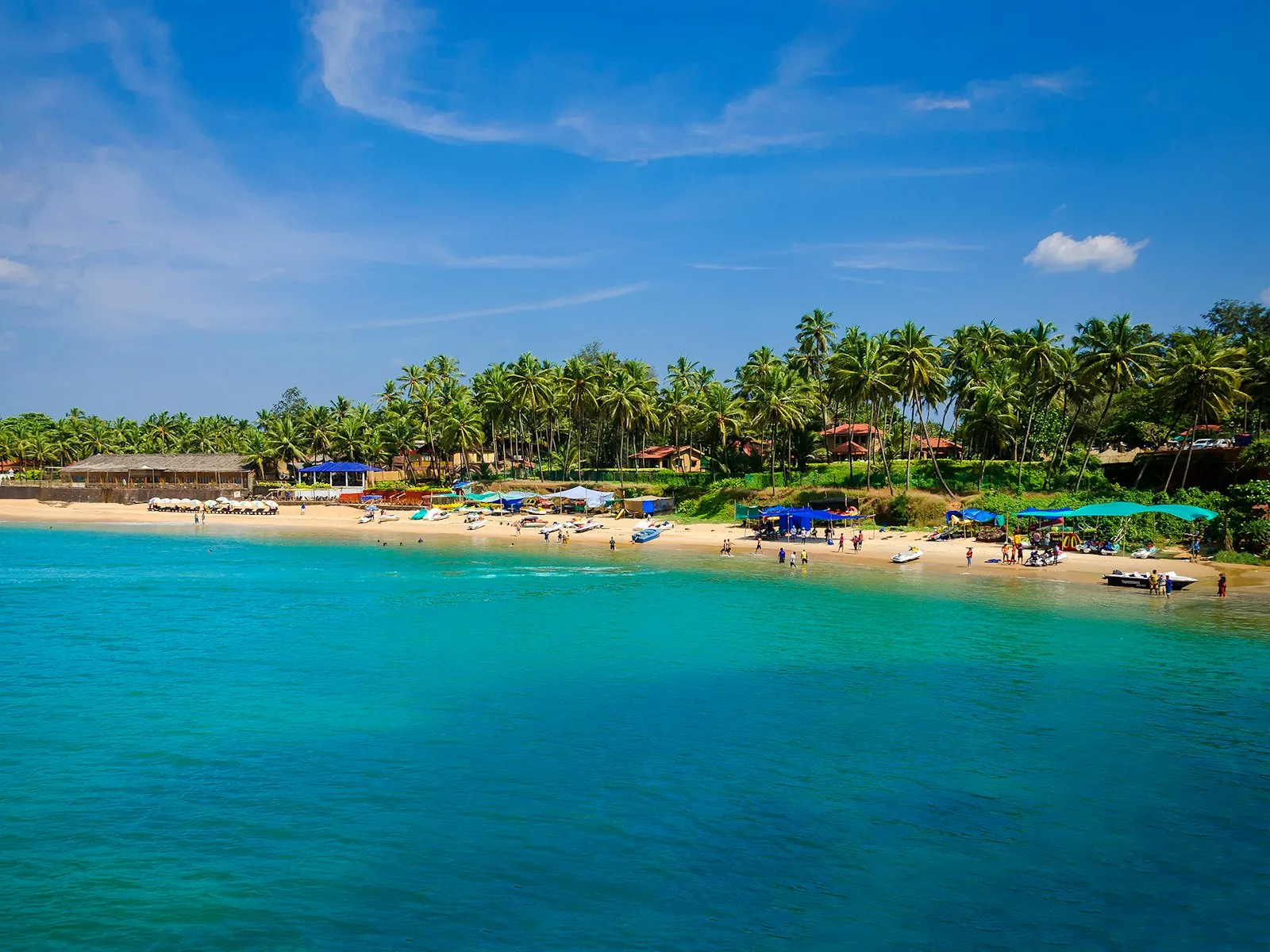
"Goa" is a single name for a coastline that runs over 100 kilometres and contains four or five completely different holidays. The mistake most first-time visitors make is choosing a beach by photo and ending up surprised — Anjuna sounds chilled but is loud and packed in peak season, Palolem looks remote but fills with backpackers from December, Morjim looks like North Goa but feels more like the south. This guide is the opposite of a "top 10 beaches in Goa" list. It picks five beach areas that actually deliver different experiences, says clearly who each one is for, and tells you what to expect on price and crowd levels in 2026.
- Anjuna and Vagator: nightlife-heavy, party scene, 25–40 crowd. Loud, fun, not relaxing.
- Morjim and Ashvem: quieter North Goa, longer beaches, better for couples and 30+ travellers.
- Palolem: most photogenic crescent bay, family-friendly, gets crowded peak Dec–Jan.
- Agonda: quietest meaningful beach, best for couples and solo travellers wanting actual rest.

How Goa's beaches actually divide
The first thing to understand is the North–South split. North Goa runs roughly from Candolim up to Arambol and is where the music, parties, restaurants, and most of the nightlife sit. South Goa starts around Colva and stretches down to Agonda and Palolem — quieter, longer beaches, more resorts and villas, and a clear focus on rest rather than activity. Most travellers want one or the other; trying to do both in a single five-night trip means too much road time and not enough beach.
Within each half there are sub-clusters. North Goa breaks into the Anjuna-Vagator party belt, the more design-forward Assagao-Siolim inland strip (which is technically not on the beach but is where the better villas are), and the quieter Morjim-Ashvem-Mandrem stretch further north. South Goa breaks into the Colva-Cavelossim resort strip, then Palolem, then the much quieter Agonda and Patnem. Picking one cluster and staying there beats hopping between them.
- North Goa = activity, food scene, parties, dense.
- South Goa = rest, longer beaches, calmer, fewer restaurants per kilometre.
- Pick one cluster per trip; multi-region Goa trips waste two days on the road.
Anjuna, Vagator, and the North Goa party belt
Anjuna and Vagator are what most international travellers picture when they say "Goa." This is the high-energy strip — beach clubs at Curlies, Shiva Valley, and Hilltop, the Wednesday flea market on Anjuna beach, the late-night clusters around Hilltop and Nine Bar. It is busy from late November through early February, packed during Christmas and New Year, and surprisingly empty in monsoon (June–September). The age skew is roughly 25–40, the music is loud, and the crowd is genuinely international.
The trade-off is that Anjuna and Vagator are not where you stay if you want to actually enjoy the beach by day. The water is more crowded, the beach narrower, and the shacks louder than further north. The smarter move for travellers who want some nightlife but also a real beach is to stay in Assagao or Siolim — fifteen minutes inland, much better villa stock, and easy taxi access to the parties when you want them.
- Best for: ages 25–40 wanting nightlife, parties, social energy.
- Stay here if: the trip is about the scene, not the beach itself.
- Watch out for: Christmas and New Year prices triple; pre-book or stay back in Assagao.
Morjim, Ashvem, and Mandrem for the quieter North
Push 20 minutes north of Anjuna and the experience changes. Morjim, Ashvem, and Mandrem are longer, quieter beaches with a higher share of beach-facing villas and a notably calmer crowd. Morjim has been called "Little Russia" for years because of the demographic, but in 2025–26 it has shifted toward a wider mix — Indian families, slow-living digital nomads, and couples in their 30s and 40s. The sand is broader, the water cleaner, and the pace markedly slower than Anjuna.
Ashvem and Mandrem in particular are good picks if you want the North Goa food scene — La Plage, Sublime, Marbela Beach — without sleeping in the noise. Most accommodation here is villa rather than resort, which means kitchens, multiple bedrooms, and rates that work out cheaper per person than the equivalent resort to the south. The beach itself is rarely crowded except during the December peak.
- Best for: couples, families, 30+ travellers wanting space and a real beach.
- Stay here if: you want North Goa's food but not its volume.
- Watch out for: limited public transit; renting a scooter or car is essentially required.
Palolem and Agonda for the quiet South
Palolem is the picture-postcard South Goa beach — a long, gentle crescent of calm water lined with beach shacks and palm trees, much-photographed and with good reason. It works well for families, first-time Goa visitors, and travellers who want a relaxed beach holiday without entirely empty surroundings. The water is calmer than the North (better for swimming with kids), and Patnem next door is even quieter. The catch is that Palolem fills up sharply between mid-December and mid-January, and the central stretch can feel busy then.
Agonda, fifteen minutes north of Palolem, is the move for travellers who want actual quiet. The beach is longer, less developed, has fewer shacks, and tends to attract couples and solo travellers rather than groups. Restaurant variety is limited compared to Palolem, but if rest is the goal — long walks, slow lunches, no music — Agonda delivers it more reliably than anywhere else in Goa with reasonable inventory.
- Best for: families (Palolem), couples wanting genuine rest (Agonda).
- Stay here if: you want a beach holiday without the North Goa scene.
- Watch out for: most South Goa shacks close in monsoon; the season runs October through April.
How to pick the right Goa beach for your trip
The three questions that decide it: how old is the crowd you want, how long is the trip, and is this a first Goa visit or a repeat. For a first visit of five nights or fewer, North Goa's Morjim-Ashvem strip is the safest pick — you get the food scene, you can sample the parties on one night, and the beach is good. For a longer first visit (10+ nights) split it: 5 nights in Morjim or Assagao, then 5 in Palolem or Agonda. Repeat visitors usually settle on one cluster and book longer stays there.
On budget: North Goa runs slightly more expensive than the South in peak season, with the exception of Anjuna-Vagator villas at Christmas which spike everywhere. Off-peak (May, September, early November) prices drop sharply across the state — by 40–60% — and the beaches are much less crowded, but expect intermittent rain in May and October. The middle ground is mid-November and mid-February, when the weather is reliable, the prices are reasonable, and the crowds are manageable.
- First visit, short: Morjim or Ashvem in North Goa.
- First visit, long: split between North and South.
- Repeat visitor: pick one cluster and book longer.
- Avoid Christmas–New Year unless that's specifically the trip you want.
FAQ
Which is the best Goa beach to stay near?
For a balanced first-time trip, Morjim or Ashvem in North Goa offer the best mix of beach quality, food scene, and quieter crowds. For pure relaxation, Agonda in South Goa is the strongest pick. Anjuna or Vagator are best if the trip is specifically about nightlife.
Is North Goa or South Goa better for a holiday?
North Goa for activity, food, and nightlife; South Goa for rest, family holidays, and longer stays. They are different enough that you should pick one per trip rather than trying to do both, unless you have 10+ nights.
Which Goa beach is best for families?
Palolem in South Goa has calm water suitable for swimming with children, plenty of beach shacks, and a relaxed atmosphere. Cavelossim and Mobor are also strong options if you prefer a resort base over a beach village.
When is the best time to visit Goa's beaches?
November to early February is peak season — best weather, all shacks open, but priciest and most crowded. Mid-February to early April is the sweet spot: warm, less crowded, and ~25% cheaper. Avoid June–September unless you specifically want the monsoon experience and are happy with most beach shacks closed.
How do I get around Goa's beaches?
A rented scooter (INR 400–600/day) or self-drive car (INR 1,500–3,000/day) is essential — public transit is minimal between beaches and taxi rates between North and South Goa are high (INR 2,500+ each way). Plan one rental for your entire stay rather than booking taxi-by-taxi.