Best Areas to Stay in London for Business Travel and Weekend City Breaks
Discover the best areas to stay in London for business travel and weekend city breaks, including Mayfair, Marylebone, South Bank, Shoreditch, and Canary Wharf.
March 8, 2026 · 7 min read · Europe

London works exceptionally well for travellers who need sharp weekday logistics without sacrificing atmosphere once the laptop closes. The city is big enough that your hotel postcode changes everything: commute time, client access, dining options, and whether a Saturday feels like recovery or another transfer-heavy workday.
- Choose Mayfair or Marylebone if your priority is polished hospitality, walkable dining, and central access.
- Choose Canary Wharf for finance-heavy itineraries, modern inventory, and predictable weekday movement.
- Choose South Bank for a balanced work-leisure stay with rail, river walks, and weekend-ready energy.
- Choose Shoreditch when creative meetings, restaurants, and a younger neighborhood feel matter more than classic luxury.
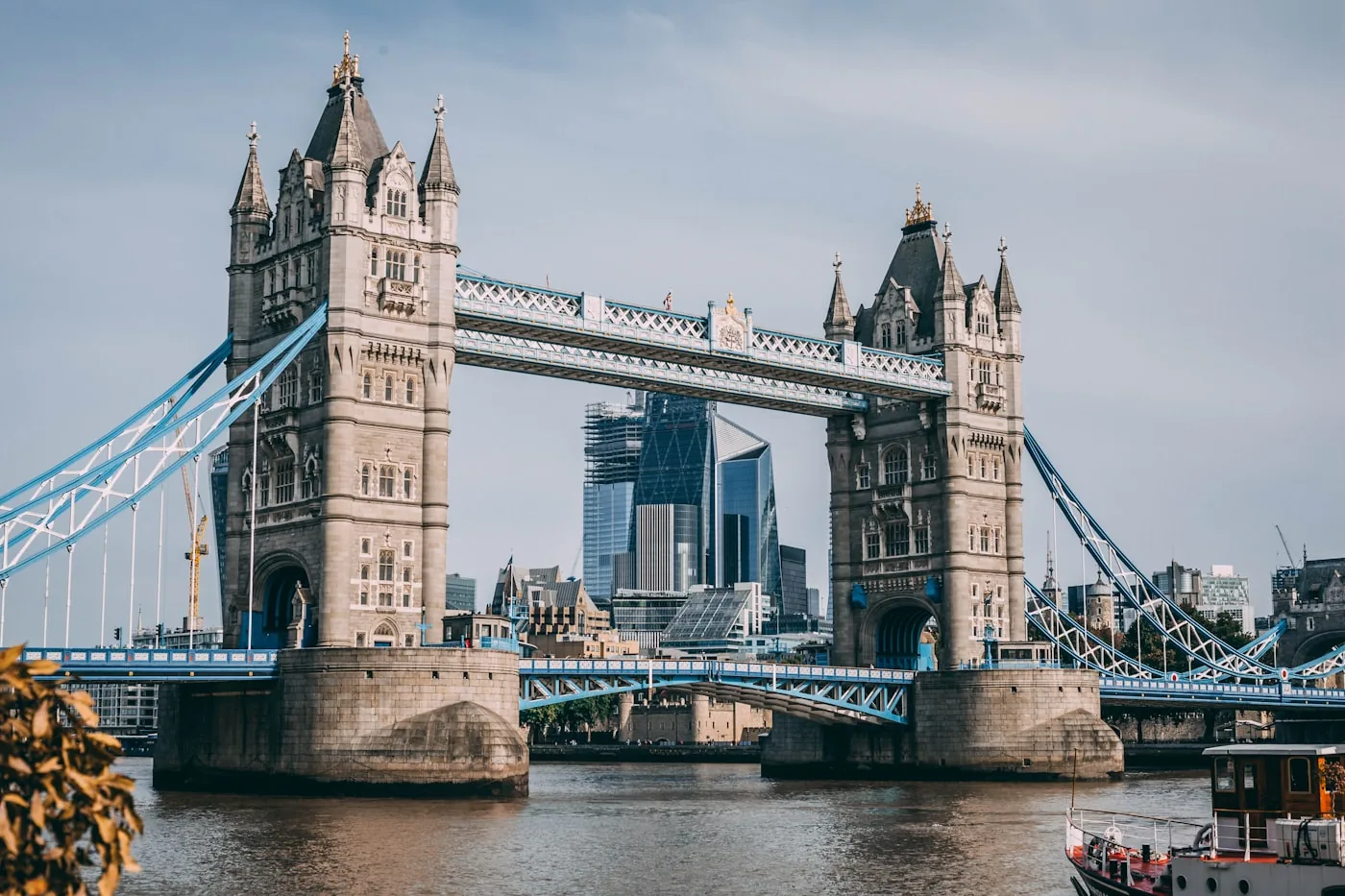
How to choose the right London base
For business travel, the best neighborhood is rarely the one with the most famous landmark. It is the one that reduces friction between your arrival point, your meeting cluster, and your evening agenda. In London that usually means deciding whether you want West End polish, City access, or a more design-forward East London rhythm.
Weekend value matters too. A good London stay should let you step from work mode into museums, parks, retail, and dinner without planning your day around multiple Tube changes. That is what makes a neighborhood feel premium, even before you factor in room quality or service.
- Look at your nearest Tube or Elizabeth line option before you book the room.
- Prioritize neighborhoods where weekday meetings and weekend plans both work within a twenty-minute radius.
- If you have early flights, factor in Heathrow, Paddington, or Liverpool Street connectivity.
Mayfair and Marylebone for classic executive stays
Mayfair remains one of the safest choices for high-touch business travel. It puts you close to private members clubs, luxury retail, refined hotel inventory, and short car rides into the West End, Soho, and key corporate addresses. It is expensive, but the experience is consistent and impresses when client-facing polish matters.
Marylebone is often the better value version of that same decision. It feels calmer, more residential, and easier to live in for several nights. You still have excellent restaurants, strong boutique hotel options, and smooth access to Baker Street, Regent’s Park, and Paddington for airport runs.
- Best for: executives, founders, investor meetings, polished client dinners.
- Stay here if: you want walkability, discretion, and central convenience.
- Watch out for: premium nightly rates, especially around major events and peak summer periods.
South Bank and Shoreditch for blended work and city energy
South Bank is a strong all-rounder for travellers mixing business with a weekend city break. You get fast access to major rail stations, excellent riverside routes, modern hotel stock, and an after-hours scene that feels cultural rather than hectic. It is particularly useful for travellers who want to move between meetings and gallery, theatre, or dining plans without changing neighborhoods.
Shoreditch serves a different kind of business traveller. It suits creative, startup, media, and product-heavy itineraries where you want restaurants, co-working culture, and a younger, more independent hospitality mix. It feels more local, more flexible, and less formal than the West End, which can be a feature rather than a drawback depending on your trip.
- South Bank works well for first-time London visitors who still want a premium base.
- Shoreditch works well for teams that value atmosphere, nightlife, and casual meeting venues.
- Both neighborhoods are better when you want your evenings to feel like part of the trip, not just downtime.
Canary Wharf for finance, modern inventory, and efficient weekdays
If your calendar is concentrated around banking, consulting, or corporate HQ activity, Canary Wharf is often the highest-efficiency choice. The area is clean, modern, easy to navigate, and full of apartment-style inventory that works for several nights of focused travel. It is one of the few London districts where weekday movement can feel genuinely predictable.
The trade-off is personality. Canary Wharf is excellent from Monday to Thursday, but it can feel quieter once the office crowd thins out. That is why it works best for travellers who want calm evenings, gym access, and simple commutes more than spontaneous neighborhood discovery.
- Best for: banking, finance, consulting, longer project stays.
- Stay here if: work efficiency beats central sightseeing.
- Pair it with: one well-planned West End or South Bank evening rather than trying to turn the area into a full leisure base.
FAQ
What is the best area in London for first-time business travellers?
South Bank and Marylebone are usually the safest first choices because they combine strong transport, good hotel stock, and easy access to both business districts and weekend attractions.
Is Canary Wharf a good place to stay for leisure as well as work?
It is excellent for weekday efficiency and longer work trips, but it is less rewarding for a classic weekend city-break feel than Mayfair, South Bank, or Marylebone.
Which London neighborhood feels most premium without being too formal?
Marylebone is often the sweet spot. It feels upscale and calm, but still lived-in, walkable, and more relaxed than the most formal luxury pockets of Mayfair.